Published on Readora
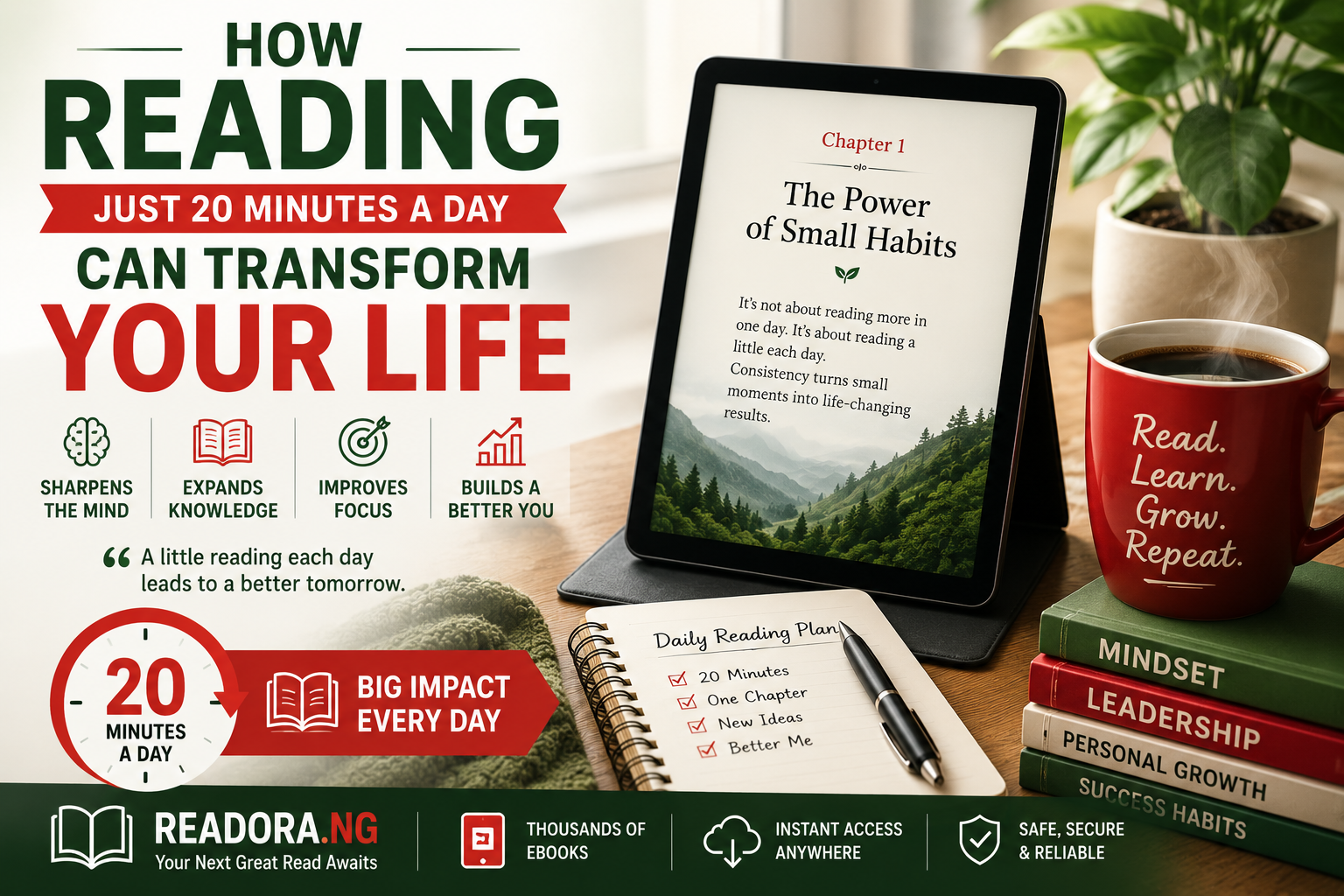
How Reading Just 20 Minutes a Day Can Transform Your Life
Life moves quickly.
Between work, family responsibilities, endless notifications, meetings, and social media, finding time to sit quietly with a good book can seem almost impossible. Many people believe they need hours of uninterrupted free time before they can enjoy reading, but the truth is far simpler.
Sometimes, twenty minutes is all it takes.
Those twenty minutes may not seem significant today. Yet repeated every day, they become more than 120 hours of reading every year. That's enough time to finish dozens of books, discover new ideas, strengthen valuable skills, and gradually build knowledge that compounds over a lifetime.
At Readora.ng, readers from different backgrounds continue to discover that developing a daily reading habit isn't about reading faster—it's about reading consistently.
The biggest changes rarely happen overnight. They happen one page at a time.
1. Small Daily Habits Produce Extraordinary Results
Many of life's greatest achievements begin with small, repeatable actions.
Reading follows the same principle.
One chapter each day eventually becomes an entire book. One book becomes ten. Ten books become a library of ideas that gradually changes the way a person thinks, communicates, solves problems, and approaches opportunities.
Unlike temporary motivation, consistency creates lasting transformation.
Twenty minutes may feel insignificant today, but over months and years it becomes one of the most valuable investments anyone can make.
2. Reading Strengthens the Mind
The brain grows stronger when it is challenged.
Reading encourages concentration, imagination, reasoning, and comprehension in ways that many other forms of entertainment simply do not.
Following characters through a novel, understanding business strategies, or learning a new skill requires active engagement. This mental exercise helps readers process information more effectively and encourages deeper thinking.
Like physical exercise strengthens the body, regular reading strengthens the mind.
3. Knowledge Compounds Over Time
One fascinating fact about reading is that knowledge rarely exists in isolation.
A lesson learned from one book often connects with ideas discovered in another.
An entrepreneur may read about leadership in one book, marketing in another, and customer psychology in a third. Over time, these separate ideas combine into practical wisdom that influences better decisions.
This compounding effect is one reason lifelong readers continue learning throughout their careers.
4. Reading Improves Communication
Words matter.
People who read regularly are often exposed to broader vocabulary, clearer writing styles, and more effective ways of expressing ideas.
Whether writing emails, speaking during meetings, creating presentations, or communicating with customers, strong communication skills become increasingly valuable.
Reading quietly improves these skills without requiring formal lessons.
5. Better Focus in a Distracted World
Modern technology constantly competes for attention.
Notifications interrupt conversations.
Social media encourages endless scrolling.
Multitasking has become normal.
Reading offers something increasingly rare—complete focus.
Spending twenty uninterrupted minutes with a book trains the brain to concentrate on one task at a time, helping improve attention and productivity in other areas of life.
6. Stress Begins to Fade
Reading creates distance from everyday pressures.
Immersing yourself in an engaging story or learning something inspiring allows the mind to shift away from daily worries.
Many readers describe reading as one of the most relaxing parts of their day.
Whether it's fiction, biography, history, or personal development, books provide a healthy escape while continuing to enrich the mind.
7. Creativity Flourishes
Every book introduces new ideas, perspectives, places, and possibilities.
Writers discover fresh storytelling techniques.
Entrepreneurs find innovative business concepts.
Students develop stronger problem-solving abilities.
Artists gain inspiration.
Creativity grows naturally when the mind is consistently exposed to new information.
8. Reading Builds Confidence
Knowledge creates confidence.
Understanding a subject makes conversations easier.
Learning practical skills improves decision-making.
Reading widely also helps reduce uncertainty because readers approach situations with broader perspectives and better information.
Confidence often begins with preparation, and reading remains one of the most effective ways to prepare for life and work.
9. Twenty Minutes Can Change Your Career
Professional development doesn't always require expensive courses.
Many successful people dedicate part of each day to reading books related to their industries.
Business.
Technology.
Marketing.
Finance.
Leadership.
Communication.
Every chapter becomes another opportunity to improve professionally.
Over time, those small improvements can influence promotions, business growth, and career opportunities.
10. Building a Reading Habit Is Easier Than You Think
Many people fail because they set unrealistic expectations.
Instead of trying to finish an entire book over a weekend, focus on consistency.
Read after breakfast.
Read before bed.
Read during your commute.
Read while waiting for appointments.
The goal isn't perfection.
The goal is returning tomorrow.
That's how lifelong habits are built.
Making Reading Part of Everyday Life
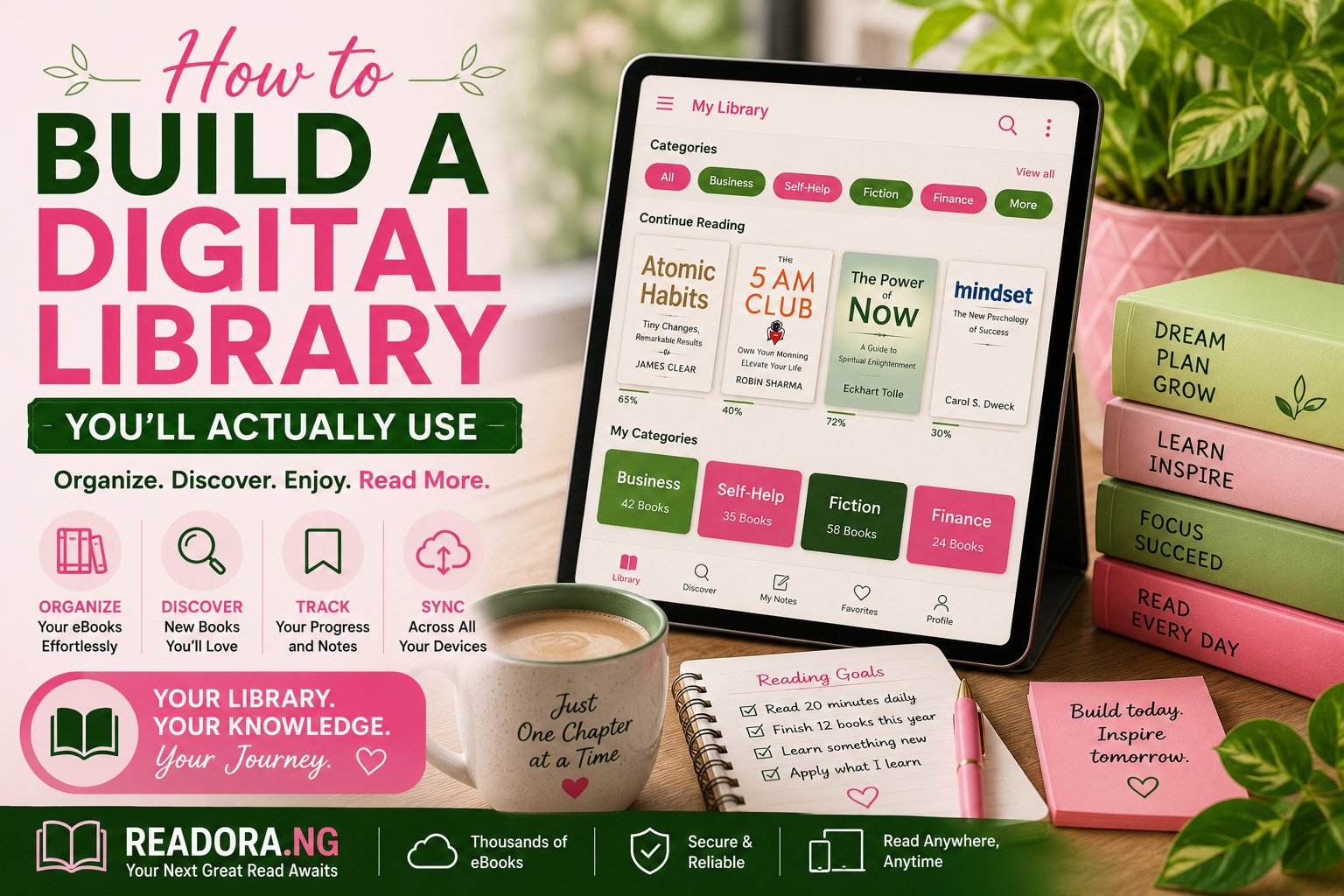
Technology has made reading more convenient than ever before.
With digital books available across smartphones, tablets, laptops, and eReaders, carrying an entire library has become effortless.
Whether you enjoy business, romance, history, self-help, biographies, or fiction, platforms like Readora.ng make it easy to discover books that fit naturally into your daily routine.
The easier reading becomes, the more likely the habit will last.
Frequently Asked Questions
Is twenty minutes of reading really enough?
Yes. Reading consistently for twenty minutes each day adds up to more than one hundred hours over the course of a year, allowing many readers to finish numerous books.
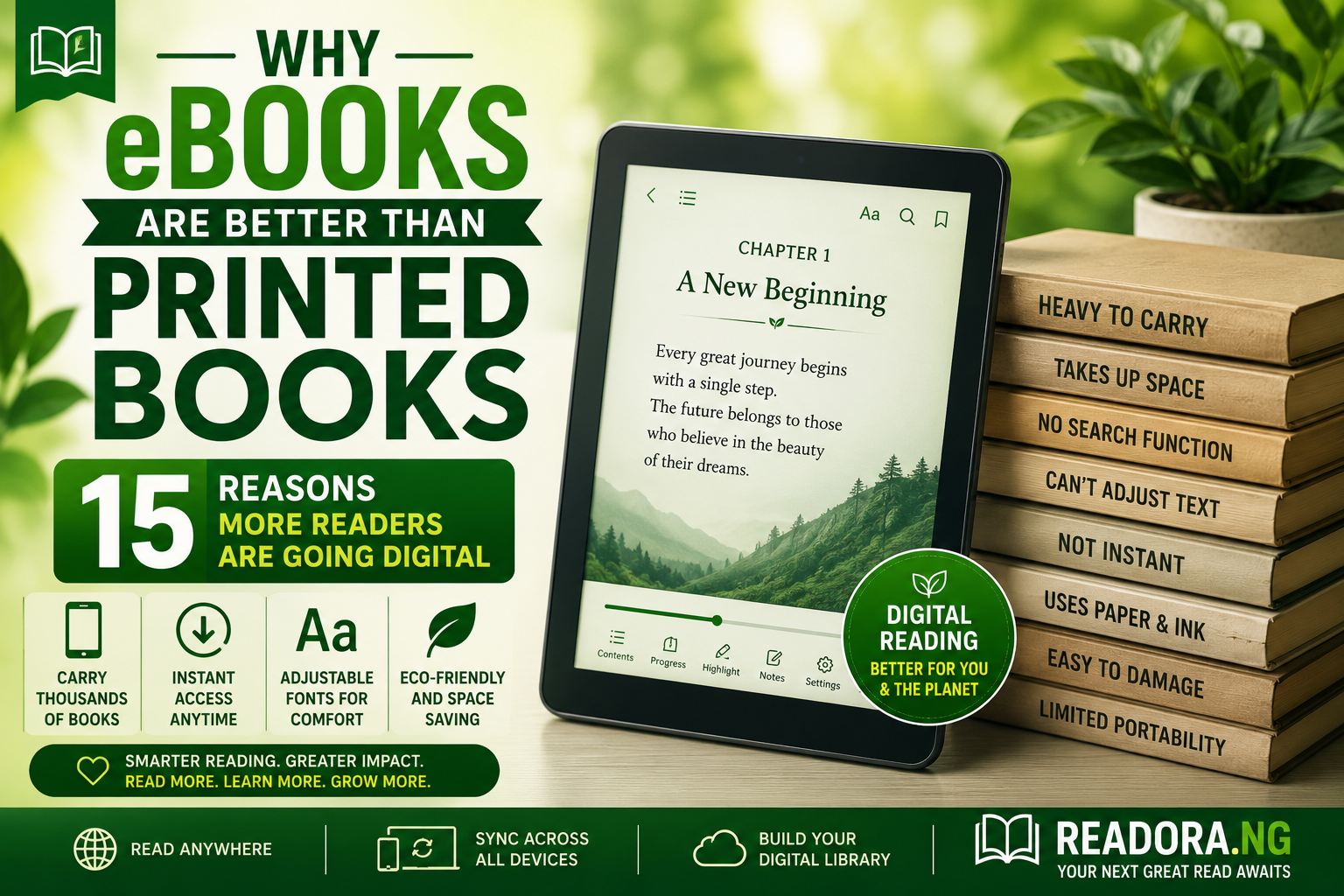
Should I read physical books or eBooks?
Both offer valuable reading experiences. eBooks provide greater portability and convenience, making them easier to fit into busy schedules.
When is the best time to read?
The best time is the one you can maintain consistently. Morning, lunch breaks, evenings, or before bed all work well.
What should I read first?
Choose a topic that genuinely interests you. Enjoyment increases the likelihood that reading becomes a lasting habit.
Final Thoughts
Life rarely slows down on its own.
Finding time for personal growth requires intentional choices, and reading remains one of the simplest investments anyone can make. Twenty minutes may seem small in the moment, but over weeks, months, and years those minutes become books, ideas, skills, confidence, and opportunities.
At Readora.ng, every book represents more than a download. It represents the possibility of learning something new, seeing the world differently, or taking one small step toward becoming a better version of yourself.
Open a book today.
Read for twenty minutes.
Then do it again tomorrow.
Your future self will be grateful.
Life moves quickly.
Between work, family responsibilities, endless notifications, meetings, and social media, finding time to sit quietly with a good book can seem almost impossible. Many people believe they need hours of uninterrupted free time before they can enjoy reading, but the truth is far simpler.
Sometimes, twenty minutes is all it takes.
Those twenty minutes may not seem significant today. Yet repeated every day, they become more than 120 hours of reading every year. That's enough time to finish dozens of books, discover new ideas, strengthen valuable skills, and gradually build knowledge that compounds over a lifetime.
At Readora.ng, readers from different backgrounds continue to discover that developing a daily reading habit isn't about reading faster—it's about reading consistently.
The biggest changes rarely happen overnight. They happen one page at a time.
1. Small Daily Habits Produce Extraordinary Results
Many of life's greatest achievements begin with small, repeatable actions.
Reading follows the same principle.
One chapter each day eventually becomes an entire book. One book becomes ten. Ten books become a library of ideas that gradually changes the way a person thinks, communicates, solves problems, and approaches opportunities.
Unlike temporary motivation, consistency creates lasting transformation.
Twenty minutes may feel insignificant today, but over months and years it becomes one of the most valuable investments anyone can make.
2. Reading Strengthens the Mind
The brain grows stronger when it is challenged.
Reading encourages concentration, imagination, reasoning, and comprehension in ways that many other forms of entertainment simply do not.
Following characters through a novel, understanding business strategies, or learning a new skill requires active engagement. This mental exercise helps readers process information more effectively and encourages deeper thinking.
Like physical exercise strengthens the body, regular reading strengthens the mind.
3. Knowledge Compounds Over Time
One fascinating fact about reading is that knowledge rarely exists in isolation.
A lesson learned from one book often connects with ideas discovered in another.
An entrepreneur may read about leadership in one book, marketing in another, and customer psychology in a third. Over time, these separate ideas combine into practical wisdom that influences better decisions.
This compounding effect is one reason lifelong readers continue learning throughout their careers.
4. Reading Improves Communication
Words matter.
People who read regularly are often exposed to broader vocabulary, clearer writing styles, and more effective ways of expressing ideas.
Whether writing emails, speaking during meetings, creating presentations, or communicating with customers, strong communication skills become increasingly valuable.
Reading quietly improves these skills without requiring formal lessons.
5. Better Focus in a Distracted World
Modern technology constantly competes for attention.
Notifications interrupt conversations.
Social media encourages endless scrolling.
Multitasking has become normal.
Reading offers something increasingly rare—complete focus.
Spending twenty uninterrupted minutes with a book trains the brain to concentrate on one task at a time, helping improve attention and productivity in other areas of life.
6. Stress Begins to Fade
Reading creates distance from everyday pressures.
Immersing yourself in an engaging story or learning something inspiring allows the mind to shift away from daily worries.
Many readers describe reading as one of the most relaxing parts of their day.
Whether it's fiction, biography, history, or personal development, books provide a healthy escape while continuing to enrich the mind.
7. Creativity Flourishes
Every book introduces new ideas, perspectives, places, and possibilities.
Writers discover fresh storytelling techniques.
Entrepreneurs find innovative business concepts.
Students develop stronger problem-solving abilities.
Artists gain inspiration.
Creativity grows naturally when the mind is consistently exposed to new information.
8. Reading Builds Confidence
Knowledge creates confidence.
Understanding a subject makes conversations easier.
Learning practical skills improves decision-making.
Reading widely also helps reduce uncertainty because readers approach situations with broader perspectives and better information.
Confidence often begins with preparation, and reading remains one of the most effective ways to prepare for life and work.
9. Twenty Minutes Can Change Your Career
Professional development doesn't always require expensive courses.
Many successful people dedicate part of each day to reading books related to their industries.
Business.
Technology.
Marketing.
Finance.
Leadership.
Communication.
Every chapter becomes another opportunity to improve professionally.
Over time, those small improvements can influence promotions, business growth, and career opportunities.
10. Building a Reading Habit Is Easier Than You Think
Many people fail because they set unrealistic expectations.
Instead of trying to finish an entire book over a weekend, focus on consistency.
Read after breakfast.
Read before bed.
Read during your commute.
Read while waiting for appointments.
The goal isn't perfection.
The goal is returning tomorrow.
That's how lifelong habits are built.
Making Reading Part of Everyday Life
Technology has made reading more convenient than ever before.
With digital books available across smartphones, tablets, laptops, and eReaders, carrying an entire library has become effortless.
Whether you enjoy business, romance, history, self-help, biographies, or fiction, platforms like Readora.ng make it easy to discover books that fit naturally into your daily routine.
The easier reading becomes, the more likely the habit will last.
Frequently Asked Questions
Is twenty minutes of reading really enough?
Yes. Reading consistently for twenty minutes each day adds up to more than one hundred hours over the course of a year, allowing many readers to finish numerous books.
Should I read physical books or eBooks?
Both offer valuable reading experiences. eBooks provide greater portability and convenience, making them easier to fit into busy schedules.
When is the best time to read?
The best time is the one you can maintain consistently. Morning, lunch breaks, evenings, or before bed all work well.
What should I read first?
Choose a topic that genuinely interests you. Enjoyment increases the likelihood that reading becomes a lasting habit.
Final Thoughts
Life rarely slows down on its own.
Finding time for personal growth requires intentional choices, and reading remains one of the simplest investments anyone can make. Twenty minutes may seem small in the moment, but over weeks, months, and years those minutes become books, ideas, skills, confidence, and opportunities.
At Readora.ng, every book represents more than a download. It represents the possibility of learning something new, seeing the world differently, or taking one small step toward becoming a better version of yourself.
Open a book today.
Read for twenty minutes.
Then do it again tomorrow.
Your future self will be grateful.
Related Articles